
Play Therapy
Driven by curiosity and built on purpose, where children are able to communicate in their language and learn new skills.
“Thank you, we appreciate you taking the time to talk to her, she really enjoys talking to you”
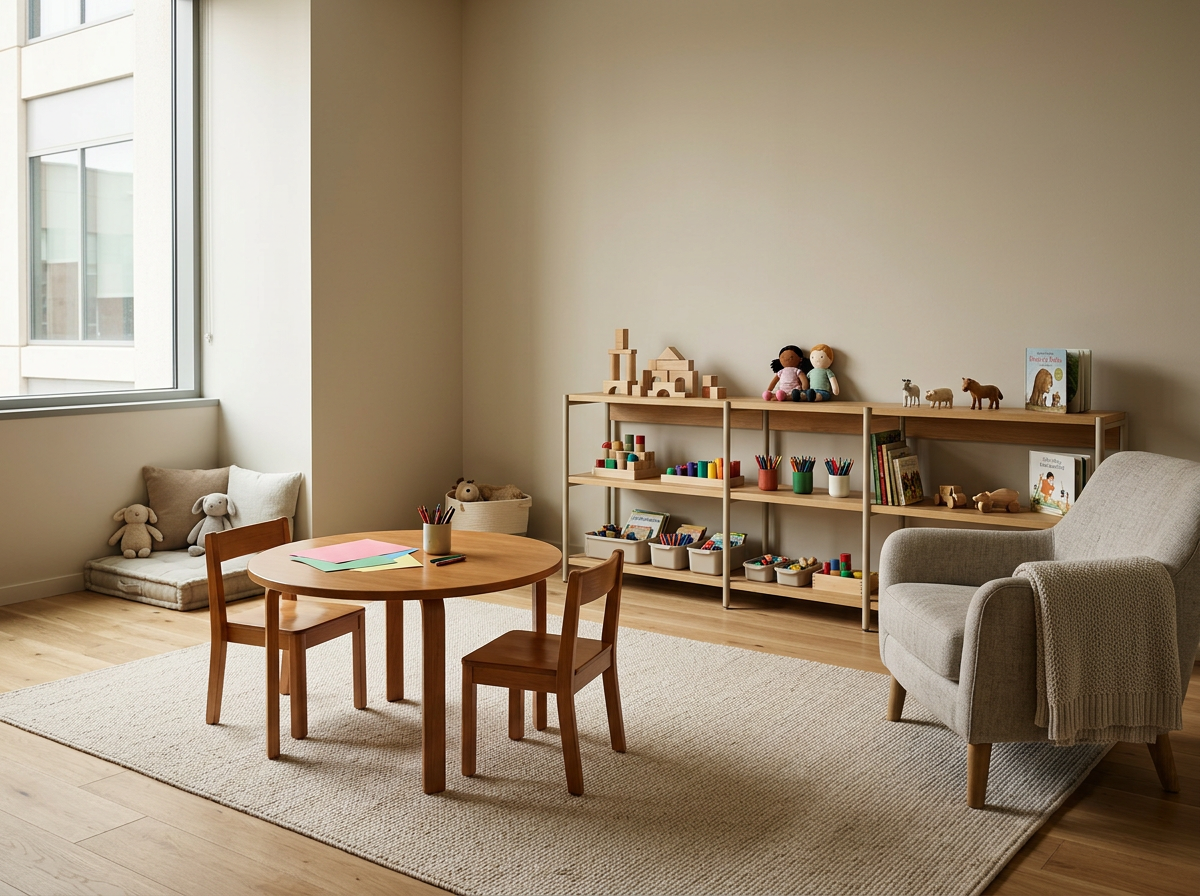
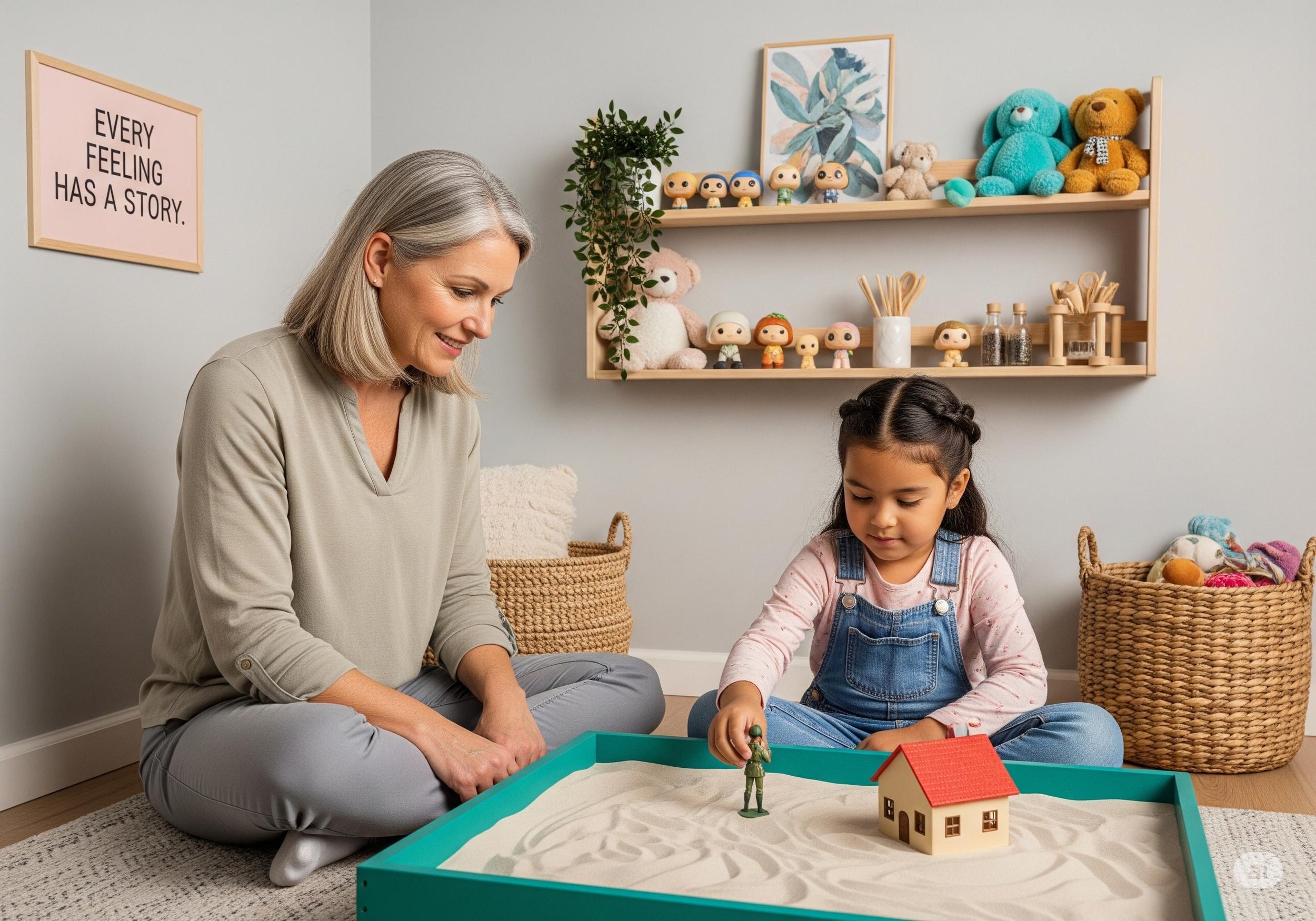
Play therapy is a therapeutic approach that uses play—the natural language of children—to help them express feelings, process experiences, and develop coping skills in a safe, structured environment. Through toys, games, art, storytelling, and guided activities, a trained therapist observes and gently interacts to support emotional regulation, problem-solving, and social skills. Play therapy is effective for children and adolescents who struggle with anxiety, depression, behavioral challenges, trauma, grief, attention difficulties, social or communication delays, and adjustment issues (such as divorce, relocation, or changes in family structure). It can also benefit families by improving parent-child communication and equipping caregivers with strategies to support their child’s growth and healing. Play therapy is flexible and developmentally attuned, making it especially valuable when young clients have limited verbal ability or find direct conversation difficult.